Ancestral Remains Reinterred at Kingsmill Site
Remains of enslaved African ancestors have been reinterred at Kingsmill.

 Norfolk Portsmouth Newport News, VA, November 6, 2026 —
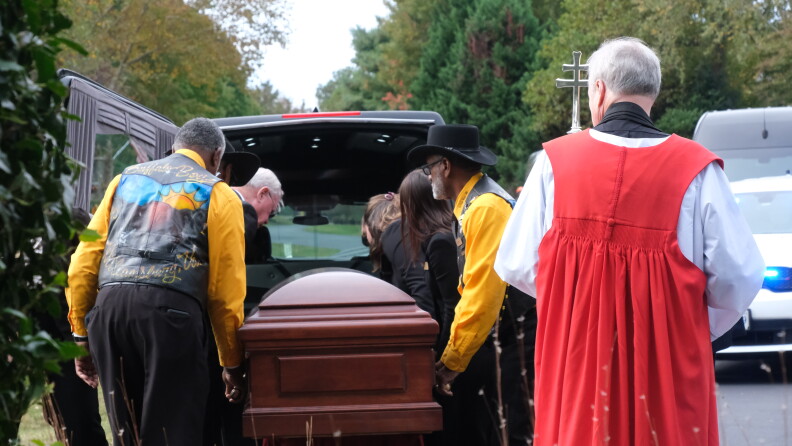
The remains of enslaved African ancestors have been reinterred at the Kingsmill site.
The reburial ceremony marks a significant moment for the historical site, acknowledging the presence and lives of those who were enslaved.
Details regarding the specific individuals whose remains were reinterred, the exact number of individuals, or the precise timeline of the reburial event were not immediately available. The historical context of Kingsmill often pertains to the legacy of slavery in the region, though further specifics about the site’s historical operations were not provided in the summary.
The reinterment process is a critical step in addressing historical injustices and honoring the memory of enslaved peoples. Such ceremonies aim to provide a dignified resting place and recognize the profound contributions and hardships faced by enslaved communities throughout history.
Further information concerning the archaeological findings that led to this reinterment, the organizations involved in the process, or any public acknowledgment or commemoration plans was not specified. The reinterment itself signifies a commitment to respectfully handling and reburying ancestral remains discovered at historical locations.
The process of identifying, recovering, and reinterring ancestral remains is complex, often involving collaboration between historical societies, archaeological experts, descendants, and community leaders. This particular reinterment at Kingsmill serves as a focal point for reflecting on the enduring impact of slavery and the importance of remembrance.
Information regarding the discovery of the remains, the methodology used for their recovery and identification, and the specific location within Kingsmill where the reinterment took place has not been detailed. The reburial is understood to be a final act of respect for the ancestors, concluding a process that began with their discovery.
Story summarized from the original created by Nick McNamara on www.whro.org, see more information here.
Media gallery